From Order to Dispatch: Why Visibility Matters at Every Step
A customer places an order expecting one simple answer:
“When can you deliver?”
But for many textile manufacturing and distribution businesses, answering that question is not always simple.
The sales team may see the customer order.
The warehouse may know which fabric rolls are physically available.
Production may know which fabric is under weaving, dyeing, processing or finishing.
The dispatch team may have a different update.
And sometimes, the information sits across Excel sheets, WhatsApp messages, phone calls, paper registers and individual follow-ups.
The result?
A customer asks for an order update, and the team has to search for the answer.
The real problem isn’t always stock
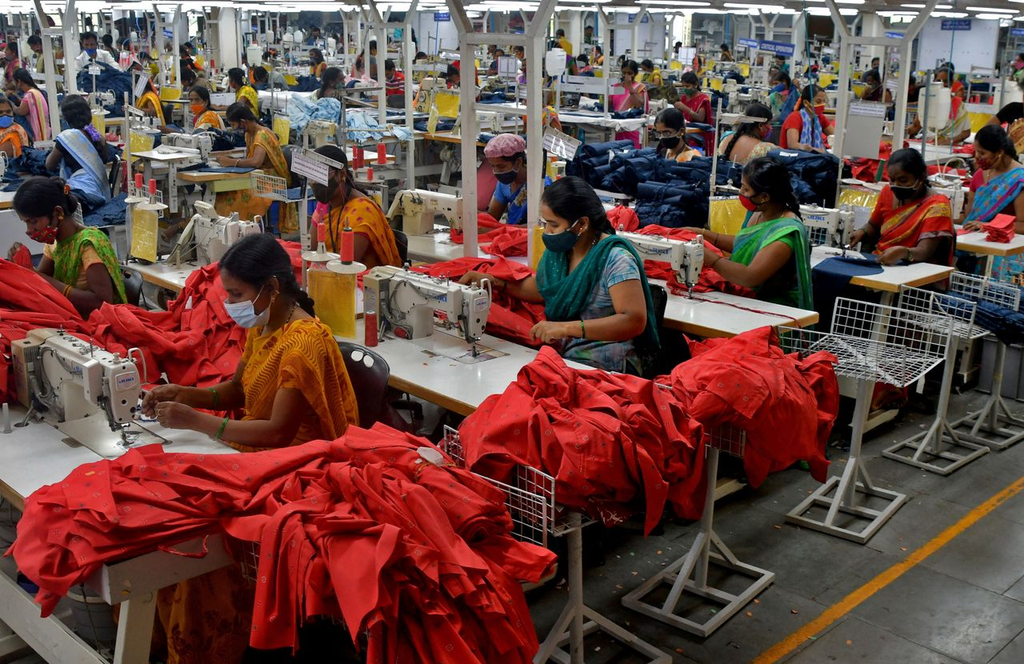
A common assumption is that an order is delayed because the required fabric is unavailable.
But there is another problem:
The business may have fabric in stock, but may not know exactly how much is truly available for a new order.
Consider a simple example.
A textile business has 1,000 metres of fabric in stock.
At first glance, the sales team may assume that the complete quantity is available.
But:
- 400 metres are already committed to an existing customer order.
- 300 metres are allocated for production or finishing.
- 100 metres are waiting for quality clearance.
- 50 metres are reserved for another customer.
- Only 150 metres are actually available for a new order.
The physical stock may show:
1,000 metres
But the usable availability is only 150 metres.
That difference can directly affect what the sales team promises to the customer.
And in textiles, quantity is not the only consideration.
The required fabric roll, lot, shade, GSM, width or quality status may also determine whether the available stock can actually be used for a particular order.
From order to dispatch, every stage matters
An efficient textile order-to-dispatch process should provide visibility across the entire journey:
Customer Order → Stock Check → Roll/Lot Allocation → Production → Quality Check → Packing → Dispatch
Depending on the textile process, production may also involve stages such as:
Yarn → Weaving/Knitting → Dyeing → Processing → Finishing → Finished Fabric → Dispatch
At each stage, the team should be able to answer:
What was ordered?
What fabric quantity is required?
Which rolls are available?
Which lot and shade are available?
What quantity is already committed?
What quantity is still in production?
What is pending quality clearance?
Which fabric rolls are ready for dispatch?
Without this visibility, employees often spend time asking other employees for updates.
And that creates another hidden cost:
time spent searching instead of executing.
The importance of one reliable view
Imagine a sales executive receiving a customer call asking for the status of a fabric order.
Instead of calling the warehouse, messaging production and checking an Excel sheet, they can immediately see:
- Customer order quantity
- Available fabric quantity
- Fabric roll details
- Lot / batch
- Shade
- GSM / width, where applicable
- Committed quantity
- Production quantity
- Pending quantity
- Expected completion
- Dispatch status
Now the conversation with the customer becomes much easier.
Instead of:
“Let me check and get back to you.”
The team can provide a clear and reliable update.
Better visibility leads to better decisions
Order visibility isn’t only about tracking orders.
It helps different teams make better decisions.
Sales can make realistic delivery commitments based on actual fabric availability.
Production can prioritise pending requirements and plan quantities based on customer orders.
Warehouse can identify which rolls are available, committed, reserved or allocated.
Quality can identify fabric that is pending inspection or approval before dispatch.
Dispatch can plan shipments based on actual roll and order readiness.
Management can identify bottlenecks before they become customer issues.
When everyone works with the same information, fewer decisions depend on assumptions.
Better inventory visibility becomes especially important in textile manufacturing environments where fabric quantity, roll details, lot, shade and production status can directly affect order commitments.
For example, businesses can also explore how ERPNext supports production and quality management in manufacturing.
What should textile businesses track?
A useful order-to-dispatch view should ideally connect:
Order → Item → Quantity → Stock → Roll/Lot → Shade → Allocation → Production → Quality → Dispatch
For textile businesses, this visibility can be especially useful when the same fabric may exist across multiple rolls, lots, shades, warehouses or production stages.
The objective isn’t to create more reports.
The objective is to create better visibility with less manual follow-up.
Because when information is available at the right time, teams can spend less time searching and more time acting.
An integrated ERP platform can connect sales, inventory, manufacturing and quality information in one system. ERPNext for India | Open Source ERP, for example, provides functionality across sales, stock, manufacturing, production planning, work orders, quality checks and inventory reporting.
The bigger question
The question isn’t simply:
“Do we have fabric in stock?”
The better question is:
“How much fabric is actually available for this order, which rolls can be allocated, and where is the remaining quantity in the process?”
That is the difference between knowing your inventory and having inventory visibility.
For textile manufacturers and distributors, connecting order, fabric inventory, roll/lot information, production, quality and dispatch can turn a fragmented process into a more predictable workflow.
And ultimately, better visibility means one thing:
Faster decisions. Fewer follow-ups. More reliable customer commitments.
What is your biggest textile order-to-dispatch challenge?
Is it fabric stock visibility, roll tracking, production status, shade/lot availability, order tracking, or dispatch coordination?