Process Reengineering
Redesign how work actually flows before you automate it. Business process reengineering that removes waste and builds a foundation worth digitising.
The problem we solve
Automating a broken process just makes the mess run faster. Many businesses carry years of workarounds, duplicate steps, and approvals that no longer add value. Business process reengineering steps back and asks how the work should flow if you designed it today, so you digitise a lean process rather than a legacy one.
Our approach to business process reengineering
We map your processes as they really are, find the waste and bottlenecks, and redesign them around the outcome the process exists to deliver. Our business process reengineering pairs operational insight with ERPNext knowledge, so the redesigned process is not just cleaner on paper but ready to run in a real system.
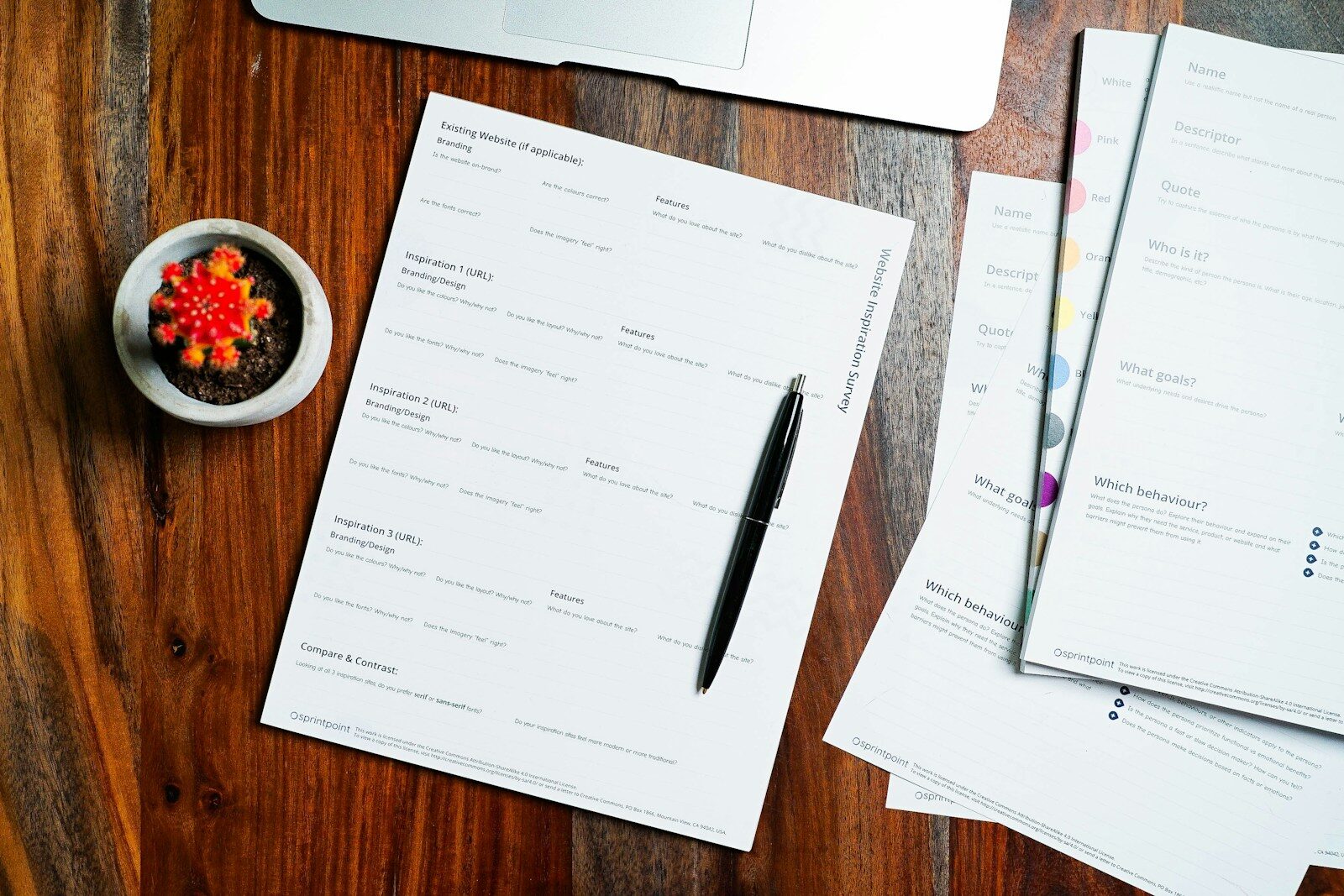
Process mapping
Current-state maps of how work actually flows today.
Waste and bottleneck analysis
Where time, effort, and value are being lost.
Redesigned processes
Lean future-state processes designed around outcomes.
Roles and controls
Clear ownership, hand-offs, and approvals.
ERPNext fit
How each redesigned process maps to ERPNext.
Change plan
How to move the team from the old way to the new.
Our redesign process
Map
Document the current process end to end.
Analyse
Find waste, delays, and duplicated effort.
Redesign
Build the lean future-state process.
Validate
Test the redesign with the people who run it.
Embed
Roll out with training and clear ownership.
Why KlyONIX Tech for business process reengineering
We fix the process first and automate second, so business process reengineering with us produces a system that fits how work should flow, not how it happened to grow. Our redesigns are always grounded in what ERPNext can deliver. Explore our ERPNext implementation, all services, or the Frappe framework.
Frequently asked questions
What is business process reengineering?
It is the practice of rethinking and redesigning how work flows, from the outcome backwards, to remove waste and improve speed, quality, and cost before automating.
How is it different from small improvements?
Continuous improvement tweaks the existing process; reengineering rethinks it from first principles, which is the right move when the current process is fundamentally inefficient.
Will it disrupt the team?
We involve the people who run the process and roll changes out with training, so the transition is managed rather than imposed.
Ready to rethink how work flows?
Tell us which process is holding you back and we will help you redesign it.
Talk to an Expert →