ERPNext for Foundry and Castings
A foundry sells castings by the kilo, buys metal by the tonne, burns coke or power by the heat, and holds patterns that belong to its customers. Profit lives in the gaps between those four numbers.
Book a free 30-minute consultation
Coimbatore foundry cluster profile from SAMEEEKSHA, based on TERI-SDC data for 2015-16: 535 foundries (about 15 large, 70 medium, the rest small and micro), around 600,000 tonnes of castings a year and turnover of about ₹3,400 crore. Source checked October 2026.
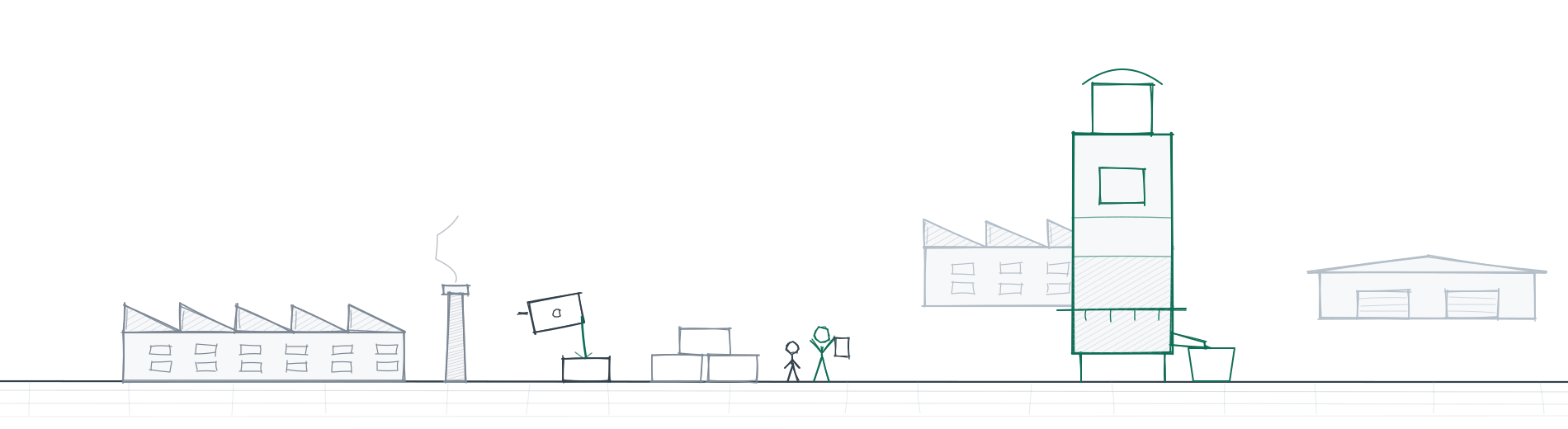
A jobbing foundry in the Coimbatore belt might pour grey iron in the morning and SG iron in the afternoon, for a pump maker, a motor maker and a textile machinery builder, using patterns that belong to each of them. It prices castings per kilo, often with a clause that moves the price with pig iron and scrap, while its own costs move heat by heat with metal, coke, power and rejections. ERPNext for foundry is judged on whether it can connect the heat to the castings it produced, the castings to the customer and the price, and the rejections to the reason, so the owner knows which parts actually make money.
What a foundry needs that a generic ERP does not
Start with the heat. Every melt has a charge mix of pig iron, scrap, returns and alloys, a chemistry result from the spectrometer and a set of moulds it poured into. If the system only knows that finished castings arrived in stock, it cannot tell you what each heat cost, which heat a defective casting came from, or whether a grade was ever produced off-specification. The heat has to be the unit of record, with its chemistry, and the castings have to carry its number.
The second is weight. Foundries sell by the kilo but count by the piece, and a casting's good weight, poured weight and machined weight are three different numbers. Many customer contracts also adjust the per-kilo price with an agreed metal index. The system has to hold piece weights per part, convert between pieces and kilos without fuss, and apply the price adjustment on the invoice rather than in a separate sheet that someone forgets to update.
The third is everything that is not yours and everything that comes back. Patterns, core boxes and dies usually belong to the customer and have to be tracked, maintained and returned. Castings rejected at the customer return weeks later, and internal rejections go back into the melt as returns. If rejections are not recorded by part and by defect, the most expensive problems in the shop stay invisible.
Heat-wise melt records
Charge mix, chemistry and pouring recorded per heat, with every casting carrying its heat number for traceability and complaint analysis.
Pieces and kilos together
Good, poured and machined weights held per part, invoices by weight or by piece, and metal-index price adjustments applied on the invoice.
Customer patterns under control
Patterns, core boxes and dies tracked by customer, location and condition, so nothing is lost, reused wrongly or forgotten at contract end.
Rejections by part and defect
Internal and customer rejections recorded by part, heat and defect type, so the real cost of blow holes, shrinkage and misruns shows up in the numbers.
How we deliver ERPNext for foundry operations
We start with parts and weights, because almost everything in a foundry is priced, planned and costed through them. Each casting is set up with its pattern, grade, good weight and poured weight, and each customer with its pricing basis, including any metal-index clause. Get this right and orders, planning, costing and invoicing all fall into place; get it wrong and every report needs a manual adjustment.
Then the melt and the shop floor: heats recorded with charge mix and chemistry, castings produced against heats, fettling and machining tracked whether in-house or at job workers, and rejections recorded at every stage with a reason. Cluster-specific yield and returns logic, which matters most for high-volume jobbing foundries, is covered on our Rajkot page.
A casting's journey through the foundry
| Stage | What happens | What the system has to hold |
|---|---|---|
| Order and pattern | A customer orders a part, often supplying the pattern or paying for it. | The part with its grade and weights, the customer's pricing basis, and the pattern recorded as customer property. |
| Melting | A heat is charged with pig iron, scrap, returns and alloys and melted. | The charge mix, chemistry result and energy for the heat, so each heat has a real cost. |
| Moulding and pouring | Moulds are made and poured from the heat. | Castings produced against the heat number, with poured weight and pieces recorded. |
| Fettling and machining | Castings are cleaned, fettled and machined, in-house or by job workers. | Work in progress at each stage and each outside unit, and internal rejections recorded by defect. |
| Dispatch and returns | Castings are weighed, invoiced and shipped, and some come back as rejections. | Invoices by weight with price adjustments applied, and customer returns traced to part, heat and defect. |
We usually go live with parts, orders, purchase, heats and dispatch first, then add rejection analysis, pattern tracking and detailed costing once the heat records are reliable. A costing built before the melt is recorded honestly is a guess with decimals.
Captive supplier or jobbing foundry? It changes the priority
A captive or long-term supplier to a few OEMs, such as pump, motor or textile machinery makers, lives on schedules, quality documentation and the customer's patterns. The priority is delivery against schedule, inspection records and pattern control. Many Coimbatore foundries fit this pattern, alongside the pump manufacturers they supply.
A jobbing foundry with many customers and short runs lives on quoting speed, yield and the cost of each heat. The priority is part setup, heat costing and rejection analysis, so quotes reflect what the part really costs to pour.
Are you ready? A short readiness check
- Can you trace a defective casting back to the heat and its chemistry?
- Do you know the actual cost of each heat, including metal, energy and returns?
- Are customer patterns tracked by location and condition?
- Are rejections recorded by part and defect type, both internal and at the customer?
- Are metal-index price adjustments applied automatically on invoices?
Four or five clear answers means the shop is already well run and ERPNext will mostly remove manual work. Two or fewer means the first phase should be parts, heats and rejections, because that is where foundries lose money without seeing it.
Frequently asked questions
Is ERPNext suitable for a foundry?
Yes. Bills of materials, work orders, batch tracking for heats, quality inspection, subcontracting for machining and weight-based selling cover the core of foundry operations. Heat-wise melt records and metal-index pricing are typically added through configuration and light customisation.
Can ERPNext record heat chemistry and traceability?
Yes. Each heat can be recorded as a batch with its charge mix and spectrometer results, and castings produced from it carry that batch, so any casting can be traced back to its heat.
How does ERPNext handle selling castings by weight?
Parts carry their weights, and items can be sold by piece or by kilo with conversion between the two. Customer-specific metal-index adjustments can be applied on the invoice so pricing follows the agreed formula.
Can it track customer-owned patterns?
Yes. Patterns, core boxes and dies can be tracked as customer-owned assets with their location, condition and the parts they belong to.
How long does a foundry implementation take?
Typically ten to sixteen weeks for a single-site foundry, depending on the number of parts, customers and outside machining partners, and on how much heat and rejection data is already recorded.
Key takeaways
- In a foundry the heat is the unit of record. Capture charge, chemistry and energy, and let every casting carry its heat number.
- Hold good, poured and machined weights per part, and apply metal-index pricing on the invoice, not in a side sheet.
- Customer patterns are someone else's property. Track them like assets.
- Record rejections by part, heat and defect. The most expensive problems are the ones nobody counted.
Planning ERPNext for a foundry?
Talk to a team based in the Coimbatore belt that knows heats, patterns and per-kilo pricing. KlyONIX Tech is a Frappe Certified Partner implementing ERPNext since 2017.
Book a free 30-minute consultation or estimate your ERPNext cost
Coimbatore foundry cluster profile from SAMEEEKSHA based on TERI-SDC data for 2015-16: 535 foundries (about 15 large-scale, 70 medium and the rest small and micro), unit capacities of 500 to 2,000 tonnes a year, cluster output of around 600,000 tonnes of castings a year and turnover of about ₹3,400 crore, with electricity and coke as the main fuels. Source checked October 2026.
ERPNext for Manufacturing · ERPNext in Coimbatore · ERPNext in Rajkot · ERPNext for pump manufacturing · ERPNext manufacturing module